📸 Image coming soon for Tamago Nigiri
玉子握り(たまごにぎり)
寿司・刺身 • 日本
について Tamago Nigiri
Sweet Japanese egg omelette over sushi rice
How to Make Tamago Nigiri (Traditional & Healthy Version)
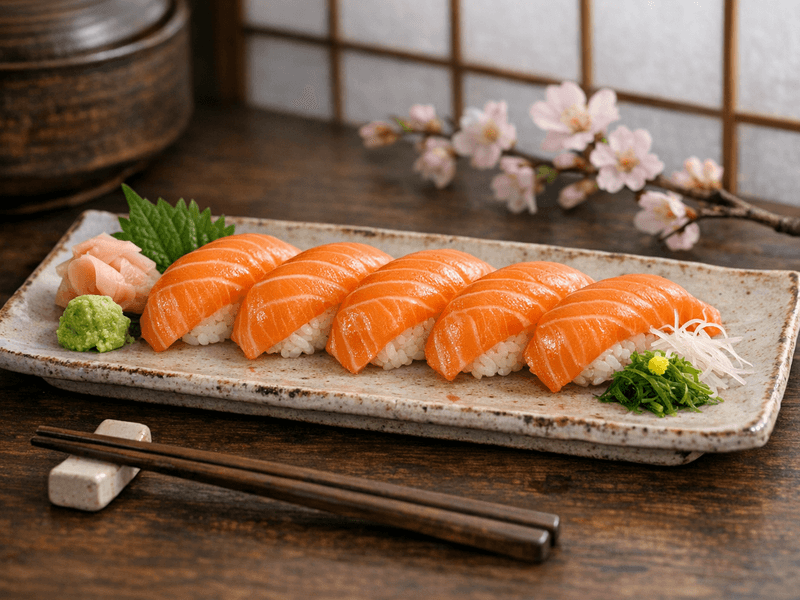
Tamago Nigiri is a beloved sushi staple in Japan, featuring a delicately sweet, umami-rich omelette (tamago-yaki) atop seasoned vinegared rice (shari), bound together with a slender strip of nori seaweed. This dish perfectly balances the gentle sweetness of eggs with the subtle acidity of sushi rice, offering a harmonious bite that delights the palate. Tamago Nigiri is commonly served in sushi restaurants across Japan, often as the finale to a meal due to its comforting flavor and elegant presentation. The origins of Tamago Nigiri can be traced to Edo-period Tokyo, where sushi chefs began experimenting with egg-based sushi as a vegetarian alternative to fish-based nigiri. The method of making tamago-yaki, with its layered, fluffy texture, is considered a mark of a sushi chef's skill. Tamago Nigiri is enjoyed by people of all ages in Japan, making it a popular choice for families, children, and vegetarians. Its vibrant yellow hue and delicate taste evoke the essence of Japanese culinary art, emphasizing seasonality and visual appeal. This dish is a wonderful introduction to sushi for those seeking a meat-free, health-conscious option.
材料(2 pieces per person分)
- 1 cup Japanese short-grain rice (sushi rice (shari))
- 3 large Eggs (tamago)
- 1 tablespoon Sugar (for tamago-yaki)
- 1 teaspoon Soy sauce (shoyu)
- 1 tablespoon Mirin (Japanese sweet rice wine)
- 2 tablespoons Rice vinegar (for sushi rice)
- 1/2 teaspoon Salt (sea salt)
- 1 sheet Nori seaweed (cut into thin strips)
- 1 cup Water (for cooking rice)
- 1 teaspoon Vegetable oil (for cooking tamago-yaki)
作り方
- 1
Rinse the Japanese short-grain rice thoroughly under cold water until the water runs clear. Cook the rice with 1 cup of water in a rice cooker or pot.
15 minutes
Use fresh, seasonal rice for the best texture.
- 2
While the rice is cooking, prepare the sushi vinegar by mixing rice vinegar, sugar, and salt. Once the rice is cooked, gently fold in the sushi vinegar while the rice is still warm. Allow to cool to room temperature.
5 minutes
Do not over-mix to preserve the rice grains.
- 3
Beat the eggs with sugar, soy sauce, mirin, and a pinch of salt. Heat a non-stick tamago pan (or small skillet) with vegetable oil, and pour in a thin layer of egg mixture.
5 minutes
Use low heat to avoid browning and achieve a tender texture.
- 4
As the egg layer sets, roll it gently to one side. Pour another layer of egg mixture and repeat, rolling each layer, until all the egg is used. Let the tamago-yaki cool slightly, then slice into rectangular pieces.
5 minutes
A square tamago pan creates traditional shape, but a round pan works too.
この料理が健康的な理由
Tamago Nigiri is a healthy choice because it incorporates lean protein, low-fat cooking methods, and wholesome ingredients. The absence of fried elements and red meat keeps saturated fat low, while the use of natural seasonings and moderate sugar ensures balanced flavor without excess calories. Its portion-controlled servings support mindful eating, and the dish is rich in umami yet gentle on the digestive system.
Tamago Nigiri provides high-quality protein from eggs, complex carbohydrates from Japanese rice, and essential minerals like selenium and choline. The use of sushi vinegar enhances digestive health, while nori adds iodine and trace minerals. Each serving is relatively low in fat and free from red meat, making it suitable for vegetarian diets. It also delivers B vitamins, antioxidants from eggs, and a moderate calorie count, making it ideal for calorie-conscious eaters.
プロのヒント
- 💡Tip 1: Use high-quality, fresh eggs for the best flavor and color.
- 💡Tip 2: Shape rice with wet hands to prevent sticking and maintain smoothness.
- 💡Tip 3: Slice tamago-yaki when slightly warm for cleaner edges.
保存と提供
Tamago Nigiri should be consumed fresh. If storing, cover tightly and refrigerate for up to 12 hours. The rice texture may harden, so avoid long-term storage.
最適な提供方法: Breakfast or Lunch
栄養成分
| 栄養素 | 100gあたり |
|---|---|
| エネルギー | 155.0 kcal |
| タンパク質 | 8.0 g |
| 炭水化物 | 20.0 g |
| 総脂質 | 4.0 g |
| 食物繊維 | 0.0 g |