📸 Image coming soon for Aburi Salmon Nigiri
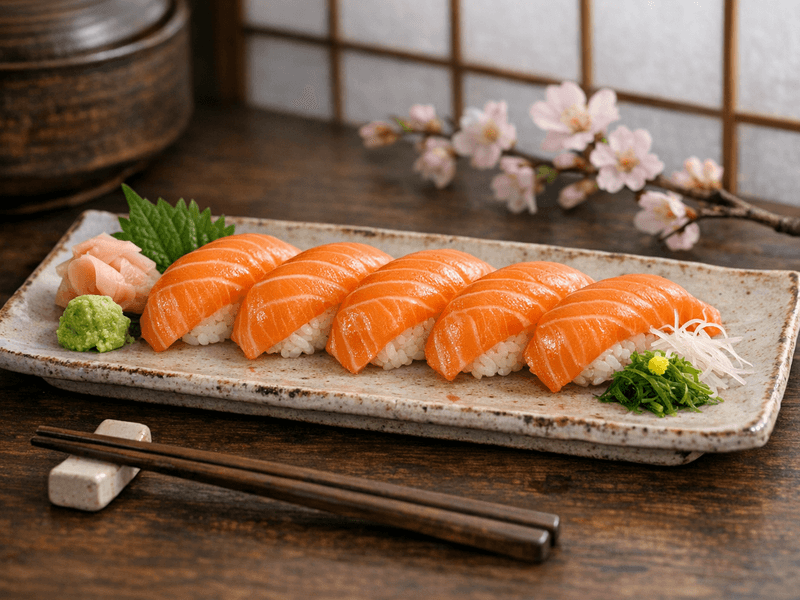
炙りサーモン握り
寿司・刺身 • 日本
について Aburi Salmon Nigiri
Lightly torched salmon nigiri with mayo — modern sushi style
How to Make Aburi Salmon Nigiri (Traditional & Healthy Version)
Aburi Salmon Nigiri is a beloved sushi dish originating from Japan, prized for its delicate balance of flavors and elegant presentation. 'Aburi' refers to the technique of lightly searing the top of the salmon, enhancing its natural umami and creating a gentle smoky aroma that pairs beautifully with vinegared sushi rice. This method is popular in modern sushi bars across Japan, offering a comforting warmth in contrast to traditional raw nigiri. Salmon, known as 'sake' in Japanese, has become a staple ingredient due to its rich taste and nutritional value. The dish embodies the Japanese culinary philosophy of simplicity and seasonality, using only the freshest ingredients to highlight the inherent flavors. Aburi Salmon Nigiri is often enjoyed as part of an omakase experience or during special occasions, where presentation and attention to detail are paramount. The lightly torched salmon melts over perfectly seasoned shari (sushi rice), creating a harmonious bite that is both satisfying and health-conscious. This recipe honors authentic Japanese techniques while providing a wholesome option suitable for calorie tracking and balanced diets.
材料(2 pieces of Aburi Salmon Nigiri per person分)
- 120g Sushi-grade salmon (Sake (fresh, boneless fillet))
- 1 cup (uncooked) Japanese short-grain rice (Sushi rice)
- 2 tablespoons Rice vinegar (Komezu)
- 1 tablespoon Sugar (For sushi vinegar)
- 1/2 teaspoon Sea salt (For sushi vinegar)
- 1 teaspoon Wasabi (Japanese horseradish paste)
- 2 tablespoons Soy sauce (Shoyu, low-sodium) - オプション
- 1 stalk Green onion (Thinly sliced, for garnish) - オプション
- 2 tablespoons Pickled ginger (Gari, for serving) - オプション
- Optional, thin strips Nori (For tying nigiri if desired) - オプション
作り方
- 1
Rinse the Japanese short-grain rice under cold water until the water runs clear. Cook rice using a rice cooker or stovetop according to package instructions.
15 minutes
Use filtered water for optimal rice texture.
- 2
While rice is cooking, combine rice vinegar, sugar, and sea salt in a small saucepan. Heat gently until sugar and salt dissolve. Allow to cool.
5 minutes
Do not boil; just warm enough to dissolve ingredients.
- 3
Once rice is cooked, transfer to a hangiri (wooden sushi tub) or bowl. Pour sushi vinegar evenly over rice and fold gently with a rice paddle; cool to room temperature.
5 minutes
Fan the rice as you mix to achieve glossy grains.
- 4
Slice sushi-grade salmon into thin, uniform pieces (about 2.5cm x 6cm). Prepare 4 slices for nigiri.
5 minutes
Use a sharp yanagiba knife for clean cuts.
この料理が健康的な理由
This recipe is a healthy choice because it combines lean salmon with nutrient-rich sushi rice and minimal seasoning. The torch-searing method reduces potential bacteria in raw fish without adding extra calories. Using low-sodium soy sauce and fresh garnishes keeps sodium intake controlled. Portion sizes are ideal for calorie management, making Aburi Salmon Nigiri perfect for those seeking nutritious Japanese cuisine.
Aburi Salmon Nigiri provides high-quality protein and omega-3 fatty acids from salmon, supporting heart health and muscle maintenance. Sushi rice offers complex carbohydrates for lasting energy, while rice vinegar aids digestion. The dish is low in saturated fat and contains essential vitamins such as B12, D, and selenium. Minimal oil and no added fats make it a light, balanced meal suitable for most diets.
プロのヒント
- 💡Tip 1: Use fresh, sushi-grade salmon from a trusted fishmonger for optimal safety and flavor.
- 💡Tip 2: Torch the salmon gently and evenly for a perfect aburi finish without overcooking.
- 💡Tip 3: Keep your hands moist when shaping nigiri to prevent rice from sticking.
保存と提供
Consume Aburi Salmon Nigiri immediately for best taste and safety. If necessary, store in an airtight container in the refrigerator for up to 24 hours; do not freeze. Always refrigerate promptly after preparation.
最適な提供方法: Lunch
栄養成分
| 栄養素 | 100gあたり |
|---|---|
| エネルギー | 110.0 kcal |
| タンパク質 | 8.0 g |
| 炭水化物 | 13.0 g |
| 総脂質 | 3.0 g |
| 食物繊維 | 0.0 g |
| 糖類 | 0.7 g |
| ナトリウム | 320.0 mg |
| カリウム | 180.0 mg |
| コレステロール | 18.0 mg |
| ビタミンA | 25.0 IU |
| ビタミンC | 0.0 mg |
| カルシウム | 12.0 mg |
| 鉄 | 0.4 mg |
| Magnesium | 14.0 mg |
| Zinc | 0.3 mg |
| Phosphorus | 65.0 mg |
| Vitamin D | 2.5 IU |
| Vitamin B1 (Thiamine) | 0.0 mg |
| Vitamin B2 (Riboflavin) | 0.0 mg |
| Vitamin B3 (Niacin) | 1.5 mg |
| Vitamin B6 | 0.1 mg |
| Vitamin B12 | 1.6 µg |
| Folate | 7.0 µg |