漬物(つけもの)
おやつ・屋台 • 日本
について Pickled Vegetables (Tsukemono)
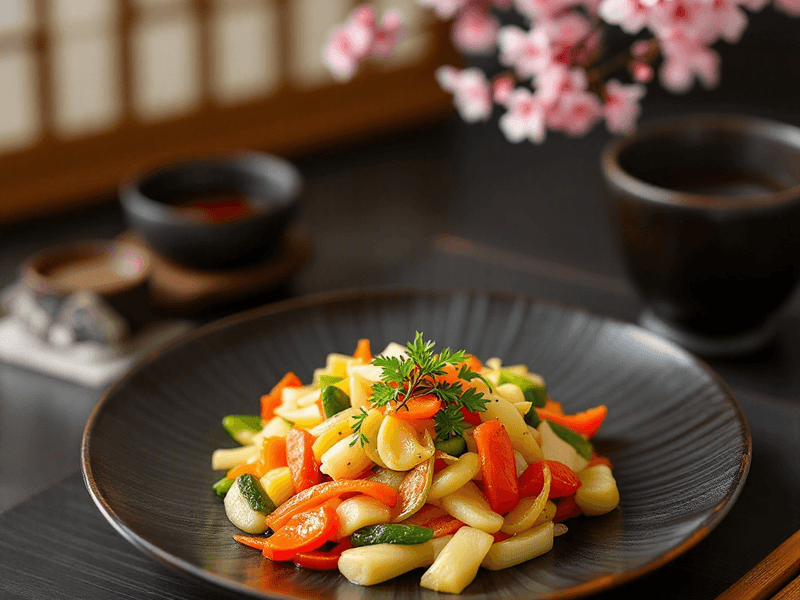
Assorted Japanese pickled vegetables — served with every meal
How to Make Pickled Vegetables (Tsukemono) (Traditional & Healthy Version)
Pickled Vegetables, known as Tsukemono in Japanese, are an essential element of Japanese cuisine, gracing the tables of homes and restaurants alike. These colorful pickles are made by preserving seasonal vegetables in a simple brine or marinade, allowing the natural flavors of the produce to shine while enhancing umami through fermentation or quick pickling techniques. Tsukemono offer a delightful contrast of textures and flavors—crisp, tangy, mildly salty, and refreshing—which balance the palate, especially when served alongside rice or as a snack. Originating centuries ago, Tsukemono were traditionally created to preserve vegetables for the winter months, making them an integral part of washoku (Japanese traditional cuisine). Today, they are enjoyed daily for their vibrant taste, digestive benefits, and visual appeal. Serving Tsukemono adds color and harmony to any Japanese meal, exemplifying the importance of seasonality, balance, and presentation in Japanese food culture. With endless variations based on region and season, Tsukemono is a delicious and health-conscious snack, perfect for anyone seeking authentic Japanese flavors.
材料(1 small dish (約50g), typical for Japanese meals分)
- 1/2 cup Daikon radish (cut into thin matchsticks (daikon))
- 1/2 cup Cucumber (Japanese kyuri, thinly sliced)
- 1/4 cup Carrot (julienned)
- 1/4 cup Red cabbage (shredded) - オプション
- 1 tbsp Salt (sea salt (shiozuke method))
- 2 tbsp Rice vinegar (unseasoned)
- 1 tsp Sugar (optional, can use alternative sweetener) - オプション
- 1 small piece Kombu (dried kelp, for umami) - オプション
- 1/2 pod Red chili pepper (togarashi, sliced, optional for mild heat) - オプション
- 1 tsp Sesame seeds (toasted, for garnish) - オプション
作り方
- 1
Wash and prepare all vegetables. Slice daikon, cucumber, and carrot into thin, even pieces for uniform pickling. Shred the red cabbage if using.
5 minutes
Use a mandoline for perfect, even slices.
- 2
Place the vegetables in a large bowl and sprinkle evenly with salt. Gently massage the salt into the vegetables to help draw out moisture.
3 minutes
Massaging helps ensure crisp texture and faster pickling.
- 3
Allow the salted vegetables to rest for 10 minutes. After resting, gently squeeze out excess water from the vegetables.
10 minutes
Removing excess water prevents soggy pickles and concentrates flavor.
- 4
In a small saucepan, combine rice vinegar and sugar (if using). Warm gently until sugar dissolves. Remove from heat and add kombu and sliced chili pepper for extra umami and mild heat.
3 minutes
Do not boil the vinegar—just warm to dissolve sugar and infuse flavors.
この料理が健康的な理由
This pickled vegetable recipe is a healthy choice because it uses minimal processed ingredients, relies on natural flavors, and leverages the health benefits of seasonal produce. With low calories, no cholesterol, and plenty of antioxidants, Tsukemono is ideal for weight management and vegan diets. The use of kombu and sea salt provides mineral balance, while quick pickling preserves nutrients and adds probiotic benefits when fermented.
Tsukemono are low in calories and rich in fiber, making them an excellent addition to a balanced diet. The variety of vegetables provides essential vitamins such as vitamin A, vitamin C, and potassium. Kombu adds minerals like iodine and enhances umami without the need for added fats. With little to no oil and minimal sugar, this recipe is heart-healthy and suitable for most dietary needs. Fermented or pickled foods can also support healthy gut flora and digestion.
プロのヒント
- 💡Tip 1: Use seasonal vegetables for the best flavor and color.
- 💡Tip 2: Add a small piece of yuzu peel or shiso leaf for aromatic depth.
- 💡Tip 3: Slice vegetables evenly to ensure uniform pickling and attractive presentation.
保存と提供
Store Tsukemono in an airtight container in the refrigerator. They will keep for up to 5 days. For best flavor and texture, consume within 2-3 days. Always use clean utensils to avoid contamination.
最適な提供方法: Breakfast or Lunch
栄養成分
| 栄養素 | 100gあたり |
|---|---|
| エネルギー | 25.0 kcal |
| タンパク質 | 1.0 g |
| 炭水化物 | 5.0 g |
| 総脂質 | 0.0 g |
| 食物繊維 | 1.0 g |