について Tsukemen
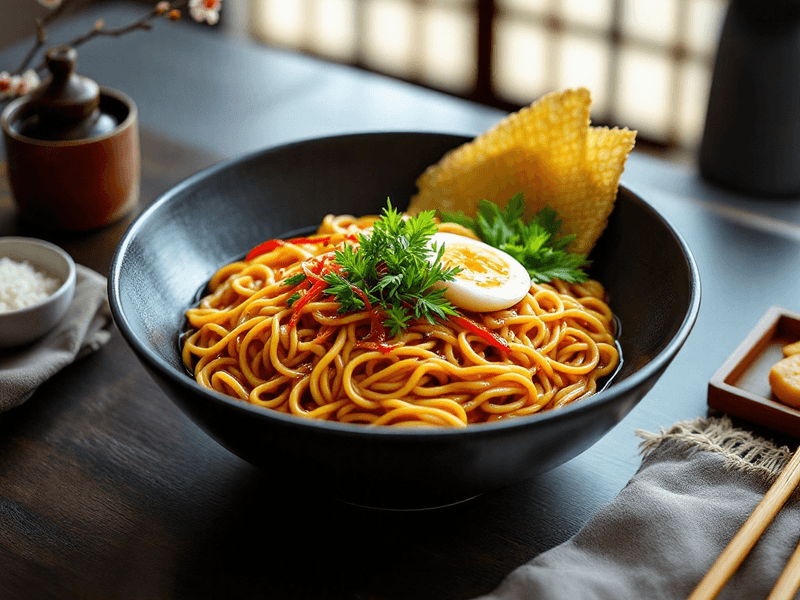
Dipping ramen — thick noodles served separately from rich concentrated broth
How to Make Tsukemen (Traditional & Healthy Version)
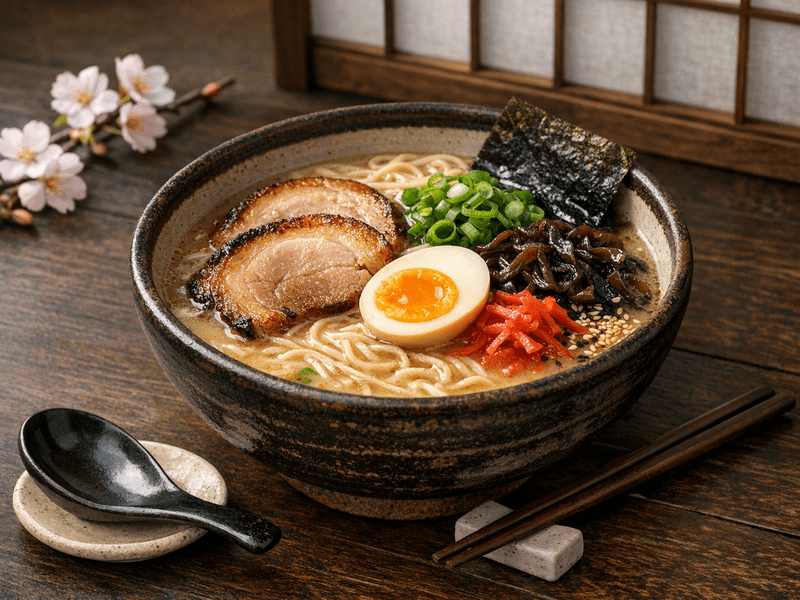
Tsukemen, a celebrated dish in the Japanese ramen family, offers a unique twist by separating the noodles and dipping broth, allowing for a customizable flavor experience. Originating in Tokyo, Tsukemen has gained global popularity for its rich umami-packed soup and firm, chewy noodles, typically served cold alongside a hot, concentrated dipping sauce. This interactive style of eating not only enhances the texture and taste but also showcases Japan's devotion to food presentation and seasonal ingredients. Tsukemen is renowned for its depth of flavor, achieved through a blend of dashi, shoyu, and tender slices of chashu pork, all balanced with fresh toppings like negi (green onion), nori (seaweed), and yuzu zest for a refreshing finish. The dish is perfect for health-conscious diners seeking authentic Japanese ramen that’s lighter and less oily than traditional bowls. Its versatility and vibrant appearance make Tsukemen an ideal choice for lunch, particularly during warmer months when cold noodles provide a cooling respite. This recipe honors Japan’s culinary heritage while keeping calories in check and maximizing umami.
材料(1 medium bowl with 200g noodles and 200ml dipping broth分)
- 200g Chukamen (Japanese ramen noodles) (中華麺, fresh or dried)
- 80g Chashu pork (叉焼, thinly sliced)
- 500ml Dashi stock (昆布だし, kombu and bonito flakes)
- 2 tbsp Soy sauce (醤油, low sodium preferred)
- 1 tbsp Mirin (みりん, sweet rice wine)
- 1 tsp Rice vinegar (酢)
- 1 tsp Sesame oil (ごま油)
- 40g Menma (fermented bamboo shoots) (メンマ)
- 2 tbsp Negi (green onion) (ねぎ, finely sliced)
- 2 sheets Nori (seaweed) (海苔)
- 1/2 tsp Yuzu zest (柚子, or lemon zest if unavailable) - オプション
- 1 Egg (soft-boiled) (煮卵, ajitsuke tamago) - オプション
作り方
- 1
Prepare dashi by simmering kombu and bonito flakes in water for 10 minutes. Strain and set aside.
10 minutes
Use fresh dashi for optimal umami flavor.
- 2
In a saucepan, combine dashi, soy sauce, mirin, rice vinegar, and sesame oil. Bring to a gentle simmer and adjust seasoning.
5 minutes
Taste and adjust saltiness with low sodium soy sauce.
- 3
Cook chukamen noodles according to package instructions. Rinse under cold water, drain well, and arrange on a plate.
5 minutes
Rinsing noodles removes excess starch and keeps them firm.
- 4
Slice chashu pork and prepare menma, negi, nori, and yuzu zest. Arrange toppings attractively beside noodles.
5 minutes
Use vibrant, fresh ingredients for a visually appealing presentation.
この料理が健康的な理由
This Tsukemen recipe is a healthier alternative to standard ramen, as it uses less oil, lean pork, and a clear broth rich in minerals but low in fat. The separation of noodles and broth allows you to control sodium intake and enjoy fresh seasonal toppings. Utilizing whole ingredients and minimizing processed additives ensures nutrient density and supports weight management goals.
Tsukemen provides a balanced mix of protein from chashu pork and egg, complex carbohydrates from ramen noodles, and essential minerals from dashi and seaweed. Negi and menma add fiber and antioxidants, while yuzu zest supplies vitamin C. Using low sodium soy sauce and lean pork reduces saturated fat and sodium, making this ramen variation suitable for most diets. The cold noodle approach encourages mindful eating and portion control.
プロのヒント
- 💡Tip 1: Use fresh ramen noodles for authentic texture.
- 💡Tip 2: Garnish with yuzu zest to brighten the flavor.
- 💡Tip 3: Adjust broth consistency with dashi for preferred intensity.
保存と提供
Store noodles and broth separately in airtight containers in the refrigerator for up to 2 days. Reheat broth before serving; noodles are best eaten chilled.
最適な提供方法: Lunch
栄養成分
| 栄養素 | 100gあたり |
|---|---|
| エネルギー | 135.0 kcal |
| タンパク質 | 8.0 g |
| 炭水化物 | 16.0 g |
| 総脂質 | 4.0 g |
| 食物繊維 | 1.0 g |