📸 Image coming soon for Kitakata Ramen
喜多方ラーメン
ラーメン • 日本
について Kitakata Ramen
Fukushima-style flat curly noodles in light soy broth — one of Japan's top 3 ramen
How to Make Kitakata Ramen (Traditional & Healthy Version)
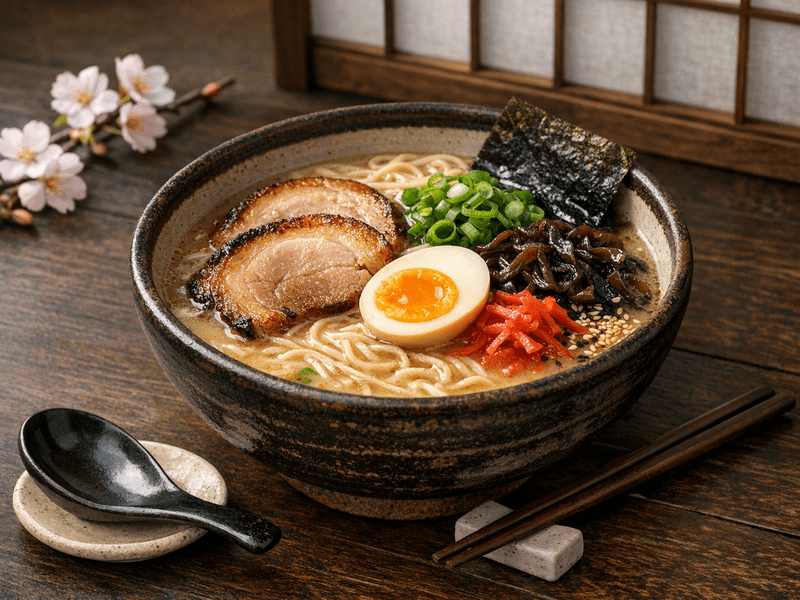
Kitakata Ramen is a beloved Japanese noodle dish originating from Kitakata City in Fukushima Prefecture. Renowned for its unique, flat, curly noodles and clear, umami-rich shoyu (soy sauce) broth, Kitakata Ramen stands out among Japan’s regional ramen varieties. The broth is typically lighter than other ramen styles, making it a perfect choice for those seeking a nourishing yet flavorful meal. This dish embodies the essence of Japanese culinary tradition, emphasizing harmony of flavors, fresh seasonal ingredients, and a beautiful presentation. The addition of chashu (braised pork), menma (bamboo shoots), and negi (Japanese green onion) not only enhances the taste, but also adds a delightful texture profile. Kitakata Ramen is often enjoyed as a comforting meal, whether for breakfast, lunch, or as a late-night treat, reflecting Japanese appreciation for simple yet deeply satisfying food. This healthy version captures the authentic taste while keeping calories in check, making it ideal for those mindful of nutrition.
材料(1 medium bowl (about 350 ml broth + noodles and toppings)分)
- 120g Fresh Kitakata ramen noodles (Flat, curly noodles)
- 600ml Chicken broth (Preferably homemade or low-sodium)
- 2 tbsp Soy sauce (shoyu) (Japanese shoyu for authentic flavor)
- 1 tbsp Mirin (Japanese sweet rice wine)
- 1 tbsp Sake (Japanese rice wine)
- 2 slices Chashu pork (simmered pork belly) (Lean cut for lower fat)
- 2 tbsp Menma (seasoned bamboo shoots) (Rinsed to reduce sodium)
- 2 tbsp Negi (Japanese green onion) (Finely sliced)
- 1 sheet Nori (seaweed sheet) (Cut into halves) - オプション
- 1 Boiled egg (Soft-boiled, cut in half) - オプション
作り方
- 1
Prepare the broth by combining chicken broth, soy sauce, mirin, and sake in a saucepan. Simmer over medium heat for 7-8 minutes to allow flavors to meld.
8 minutes
Use a homemade chicken broth for depth and reduced sodium.
- 2
Bring a large pot of water to a boil. Add Kitakata ramen noodles and cook according to package instructions (usually 3-4 minutes) until al dente.
4 minutes
Do not overcook; the noodles should remain springy.
- 3
Drain the noodles and rinse briefly under warm water to remove excess starch. Divide the noodles evenly between two serving bowls.
2 minutes
Rinsing helps maintain the noodle texture.
- 4
Pour the hot broth over the noodles in each bowl, ensuring the noodles are fully covered.
1 minute
Serve immediately to keep noodles from absorbing too much broth.
この料理が健康的な理由
This healthy Kitakata Ramen recipe is a nutrient-dense choice that’s low in fat and moderate in carbohydrates, making it suitable for weight management and those monitoring their diet. The broth is light yet packed with umami, and the use of fresh, minimally processed toppings ensures maximum nutritional value. By using lean cuts of pork and controlling sodium levels, this version fits well into a balanced, health-conscious meal plan.
Kitakata Ramen offers a balanced macronutrient profile, with 170 calories, 10g protein, 24g carbohydrates, and only 4g fat per serving. The chicken broth provides essential minerals like potassium and magnesium, while the inclusion of eggs and lean chashu pork adds high-quality protein. Menma and negi contribute dietary fiber and micronutrients such as vitamin K and folate. Using low-sodium soy sauce and lean pork keeps the dish heart-healthy and suitable for calorie-conscious eaters.
プロのヒント
- 💡Tip 1: Use freshly made noodles if possible for the best texture.
- 💡Tip 2: Simmer the broth longer for deeper umami flavor if time allows.
- 💡Tip 3: Garnish with seasonal vegetables for extra nutrition and color.
保存と提供
Ramen is best eaten fresh. If storing, keep noodles and broth separate in airtight containers in the refrigerator for up to 2 days. Reheat broth gently and assemble just before serving.
最適な提供方法: Breakfast or Lunch
栄養成分
| 栄養素 | 100gあたり |
|---|---|
| エネルギー | 170.0 kcal |
| タンパク質 | 10.0 g |
| 炭水化物 | 24.0 g |
| 総脂質 | 4.0 g |
| 食物繊維 | 1.0 g |