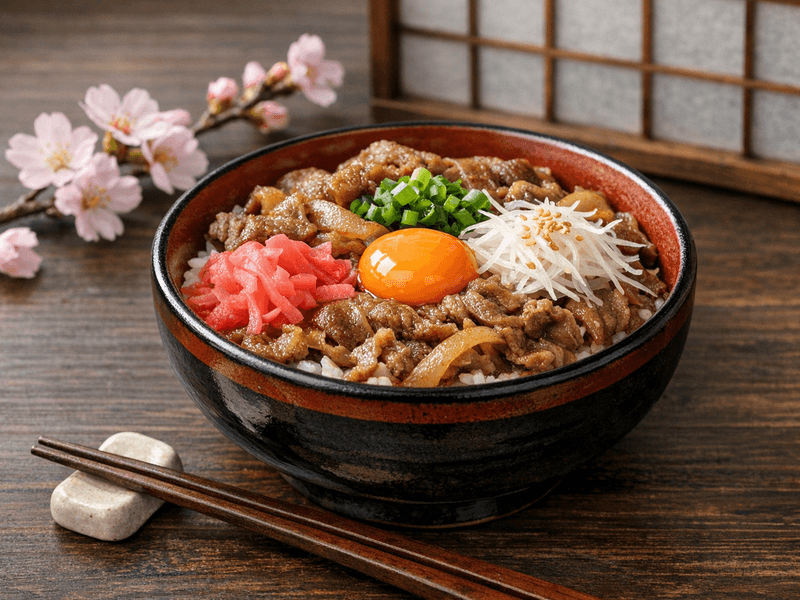
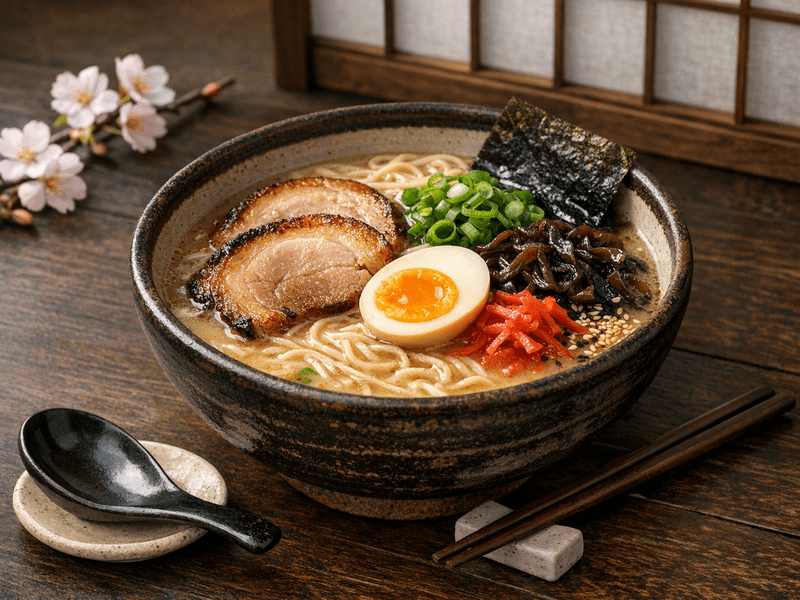
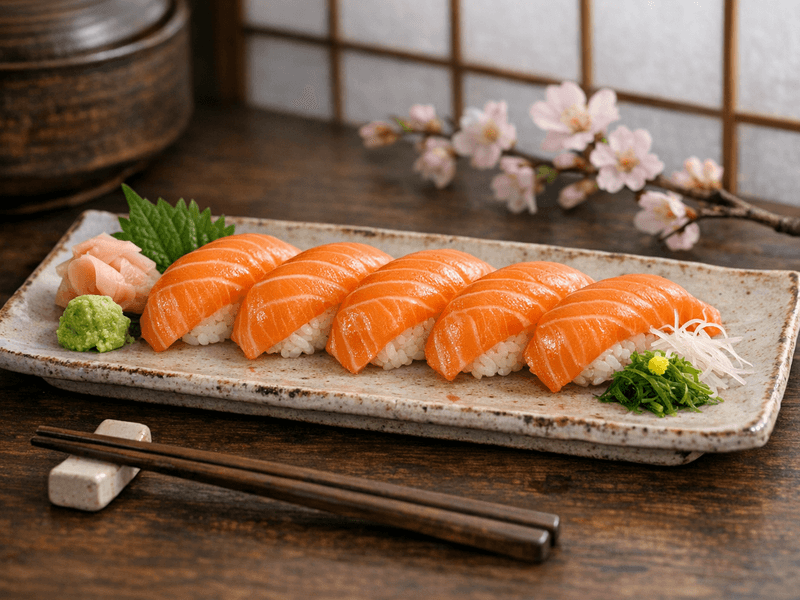
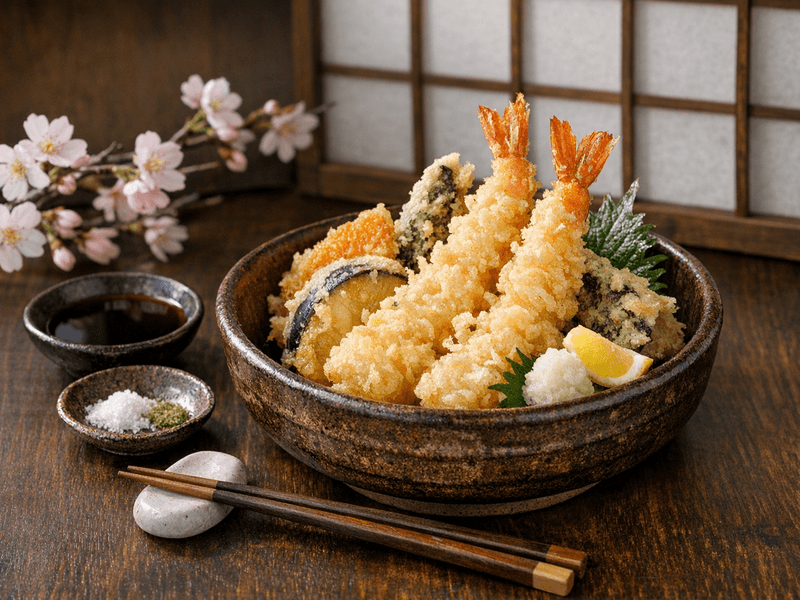
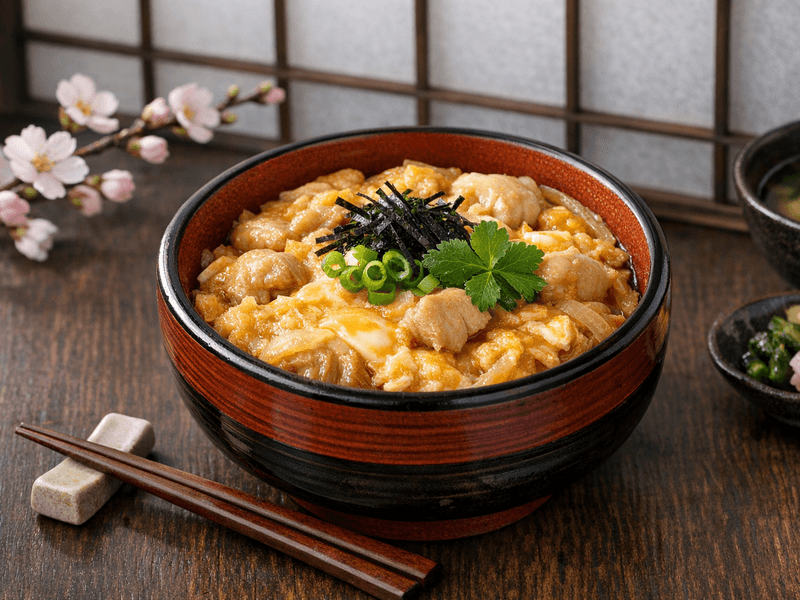
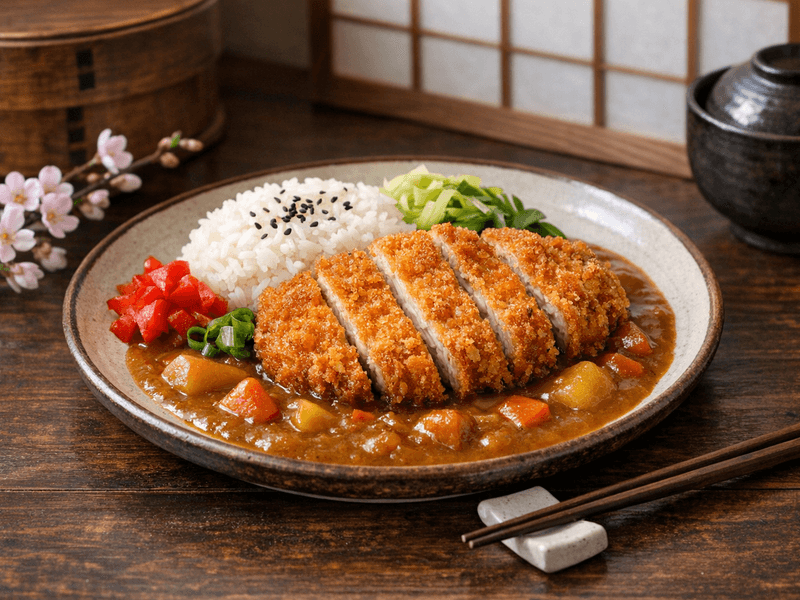
📸 Image coming soon for Sake Bento (Salmon Bento)
鮭弁当
お弁当・ランチ • 日本
について Sake Bento (Salmon Bento)
Grilled salmon fillet over rice with pickled vegetables
How to Make Sake Bento (Salmon Bento) (Traditional & Healthy Version)
Sake Bento, or Salmon Bento, is a classic Japanese lunchbox meal that beautifully showcases the essence of Japanese cuisine—fresh, seasonal ingredients, balanced nutrition, and elegant presentation. The word 'sake' refers to salmon in Japanese, and it’s a staple protein in many Japanese homes, especially in the northern regions like Hokkaido, where salmon is abundant. Bento, the art of arranging a meal in a compartmentalized box, is deeply rooted in Japanese culture, emphasizing both visual appeal and nutritional harmony. This dish typically features perfectly grilled sake (salmon), steamed Japanese rice (gohan), and a variety of colorful side dishes such as tamagoyaki (Japanese rolled omelet), pickled vegetables (tsukemono), and sautéed greens. Sake Bento is celebrated for its umami-rich flavors, subtle sweetness, and the refreshing tang from pickles. It’s commonly enjoyed as a lunch at schools or work, offering a wholesome, satisfying meal that is easy to transport and eat. Its popularity stems from both its taste and its health benefits, making it an ideal choice for those seeking a nutritious and authentic Japanese meal.
材料(1 bento box per person分)
- 2 pieces (100g each) Salmon fillet (sake) (Fresh, skin on)
- 1 cup (uncooked) Japanese rice (gohan) (Short-grain rice)
- 1 tbsp Soy sauce (shoyu) (Low sodium preferred)
- 1 tbsp Mirin (Sweet rice wine)
- 1/2 tsp Salt (Sea salt)
- 2 Eggs (For tamagoyaki)
- 1 cup Spinach or komatsuna (Japanese mustard spinach)
- 1 small Carrot (Julienned)
- 4 slices Pickled daikon (tsukemono) (Japanese pickles)
- 1 tsp Sesame seeds (To sprinkle on rice) - オプション
作り方
- 1
Rinse Japanese rice thoroughly until the water runs clear. Cook rice in a rice cooker or pot with 1.2 cups water for optimal texture.
15 minutes
Let the rice rest for 5 minutes after cooking to enhance fluffiness.
- 2
Season salmon fillets with salt, then brush with a mixture of soy sauce and mirin. Let marinate for 10 minutes.
10 minutes
Use fresh salmon for best flavor and umami.
- 3
Grill or pan-sear salmon fillets on medium heat for 3-4 minutes per side, until golden and cooked through.
8 minutes
Do not overcook; salmon should be moist inside.
- 4
Prepare tamagoyaki: Beat eggs with a pinch of salt. Pour half the mixture into a non-stick pan, roll gently, then add remaining egg and roll again. Slice into bite-sized pieces.
5 minutes
Roll tamagoyaki while slightly soft for a tender texture.
この料理が健康的な理由
This dish is a healthy choice because it combines lean protein, whole grains, and nutrient-dense vegetables, all arranged in portion-controlled servings. The use of grilled salmon instead of fried, minimal oil, and steamed rice ensures lower fat content. Seasonality and freshness of ingredients maximize nutrition and flavor, supporting balanced eating and weight management.
Sake Bento is packed with high-quality protein from salmon and eggs, complex carbohydrates from Japanese rice, and a variety of vitamins and minerals from vegetables. Salmon provides omega-3 fatty acids, vitamin D, and B vitamins. The inclusion of leafy greens and pickled vegetables offers antioxidants, fiber, and essential micronutrients. Low sodium soy sauce and moderate seasoning keep sodium levels balanced, making this bento suitable for health-conscious eaters.
プロのヒント
- 💡Tip 1: Always use fresh salmon for authentic flavor and texture.
- 💡Tip 2: Arrange ingredients in the bento box with contrasting colors for visual appeal.
- 💡Tip 3: Let rice cool slightly before packing to prevent condensation and sogginess.
保存と提供
Store bento in a refrigerator if not consumed immediately. For best flavor, eat within 24 hours. If packing for lunch, use an insulated bag or ice pack to keep contents fresh.
最適な提供方法: Breakfast or Lunch
栄養成分
| 栄養素 | 100gあたり |
|---|---|
| エネルギー | 155.0 kcal |
| タンパク質 | 10.0 g |
| 炭水化物 | 22.0 g |
| 総脂質 | 3.0 g |
| 食物繊維 | 1.0 g |