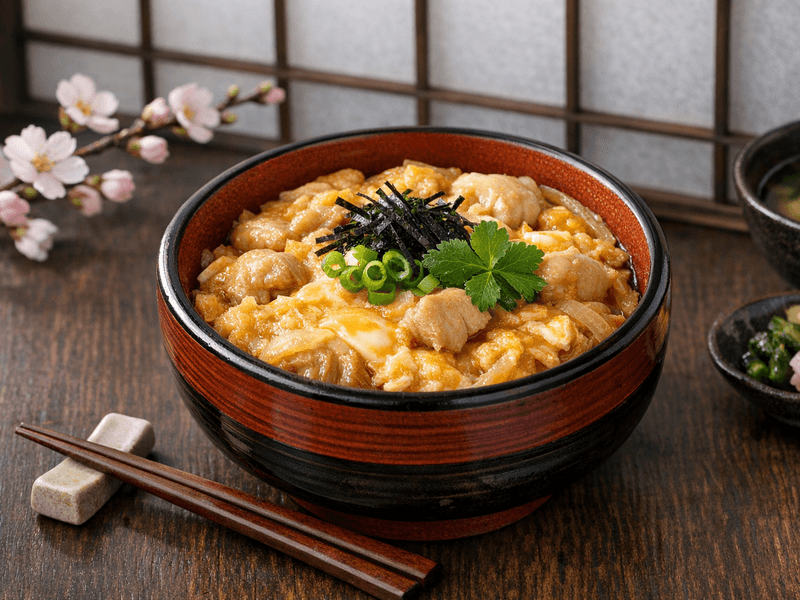
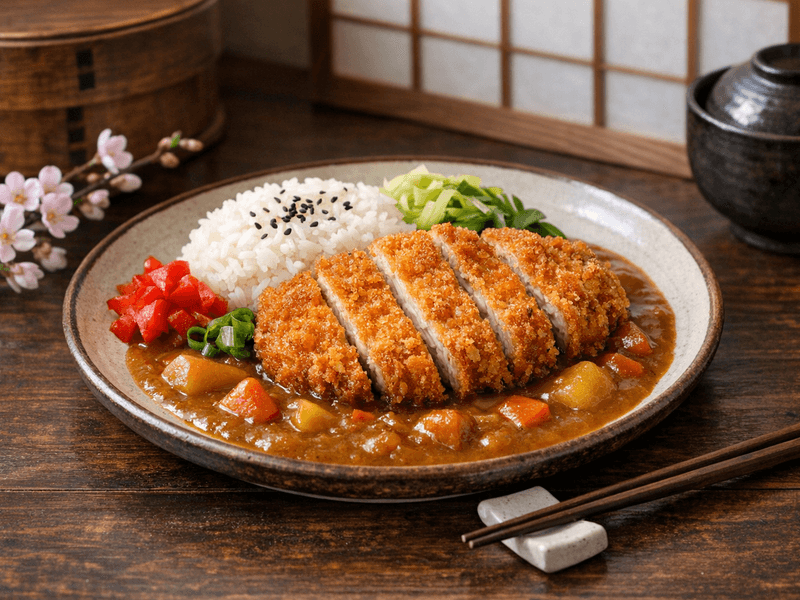
📸 Image coming soon for Japanese Curry Rice
カレーライス
カレー • 日本
について Japanese Curry Rice
Japanese-style curry with potatoes, carrots, and onions — national comfort food
How to Make Japanese Curry Rice (Traditional & Healthy Version)
Japanese Curry Rice, or 'Kare Raisu' (カレーライス), is a beloved comfort food across Japan, cherished for its deep umami flavors and hearty, nourishing qualities. This dish was introduced to Japan in the late 19th century and has since evolved into a staple of home cooking, school lunches, and even restaurant menus. Unlike its spicier counterparts, Japanese curry is milder, slightly sweet, and thickened with roux, making it accessible to all ages. Its rich aroma and vibrant golden color come from a blend of curry powder, vegetables, and seasonal ingredients such as carrots, onions, and potatoes, often paired with tender chicken or pork. Curry Rice is a reflection of Japan’s approach to balance and nutrition, with the recipe emphasizing fresh, local produce and a harmonious interplay of flavors. The dish is typically served with steaming Japanese short-grain rice (ご飯), creating a satisfying meal that appeals to both taste and texture. Presentation is important: the curry is ladled neatly beside the rice, garnished with pickled vegetables (福神漬, fukujinzuke) for a touch of tang and color. Whether enjoyed at home or in a cozy 'shokudo' (食堂), Kare Raisu is a true taste of Japanese culinary tradition, perfect for anyone seeking a healthy, flavorful meal.
材料(1 medium bowl (約250g), typical Japanese portion分)
- 120g Chicken breast (Use 'toriniku' (鶏肉))
- 1 cup cooked Japanese short-grain rice (Preferably 'go-han' (ご飯))
- 1/2 medium Onion (Local 'tamanegi' (玉ねぎ))
- 1 small Carrot (Seasonal 'ninjin' (人参))
- 1 small Potato ('Jagaimo' (じゃがいも))
- 30g Japanese curry roux (Choose low-fat, mild block)
- 1 cup Low-sodium chicken broth (Homemade or store-bought)
- 1 tsp Vegetable oil (Preferably 'goma-abura' (ごま油))
- 1/2 tsp minced Fresh ginger ('Shouga' (生姜)) - オプション
- 1 tbsp Fukujinzuke (Japanese pickles) (For garnish) - オプション
作り方
- 1
Prepare all vegetables: peel and dice the onion, carrot, and potato into uniform, bite-sized pieces. Mince ginger if using.
5 minutes
Cut vegetables evenly for even cooking and appealing presentation.
- 2
Heat vegetable oil in a deep skillet over medium heat. Add onion and ginger, sauté until translucent and fragrant.
3 minutes
Don’t rush this step; caramelized onions enhance umami.
- 3
Add chicken pieces to the skillet, stir-fry until lightly browned on all sides.
4 minutes
Use lean chicken breast to keep fat content low.
- 4
Add carrot and potato, stir gently. Pour in chicken broth, bring to a gentle simmer.
3 minutes
Simmering allows flavors to meld and vegetables to soften.
この料理が健康的な理由
This healthy Japanese Curry Rice recipe prioritizes seasonal vegetables, lean protein, and minimal added fats. By using low-fat roux and lean chicken, it reduces overall calorie and cholesterol content. The inclusion of fiber-rich vegetables supports digestion and promotes fullness, making it suitable for weight management. The recipe avoids excess sodium and sugar, aligning with modern nutrition guidelines while preserving authentic Japanese flavor.
Japanese Curry Rice offers balanced nutrition with lean protein, complex carbohydrates, and healthy fats. Chicken breast is rich in protein and low in saturated fat. The dish includes a variety of vegetables like carrots and potatoes, providing dietary fiber, vitamin A, potassium, and antioxidants. Low-sodium broth and reduced-fat curry roux help manage salt and fat intake. Each serving delivers 155 calories, making it a light yet satisfying meal perfect for calorie-conscious diets.
プロのヒント
- 💡Tip 1: Use seasonal vegetables for maximum flavor and nutrition.
- 💡Tip 2: Choose Japanese curry roux with lower fat and sodium.
- 💡Tip 3: Garnish with fukujinzuke or fresh parsley to enhance presentation and taste.
保存と提供
Store leftover curry in an airtight container in the refrigerator for up to 2 days. Reheat gently over low heat, adding a splash of water if sauce thickens. Rice should be stored separately for best texture.
最適な提供方法: Lunch
栄養成分
| 栄養素 | 100gあたり |
|---|---|
| エネルギー | 155.0 kcal |
| タンパク質 | 6.0 g |
| 炭水化物 | 22.0 g |
| 総脂質 | 5.0 g |
| 食物繊維 | 2.0 g |