📸 Image coming soon for Nankotsu Karaage (Cartilage)
軟骨唐揚げ
おやつ・屋台 • 日本
について Nankotsu Karaage (Cartilage)
Deep-fried chicken cartilage — crunchy izakaya snack
How to Make Nankotsu Karaage (Cartilage) – Traditional & Healthy Version
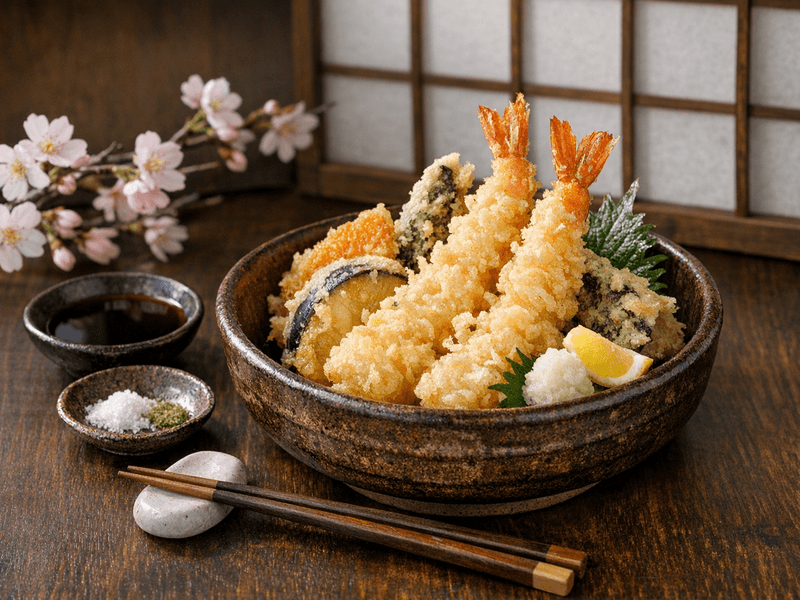
Nankotsu Karaage (軟骨唐揚げ) is a beloved Japanese izakaya snack, celebrated for its delightful contrast of crispy coating and tender, chewy chicken cartilage. Originating as a popular dish in bustling Tokyo taverns, this unique karaage is prized for its umami-rich flavor and satisfying bite. Japanese cuisine values not only taste but also texture, and nankotsu—meaning 'cartilage'—showcases that tradition beautifully. The dish is often enjoyed with a cold glass of beer, but its popularity has spread to home kitchens, especially among those seeking high-protein, low-carb snacks. The cartilage is marinated with ginger, garlic, and soy sauce, then lightly coated in potato starch for a crisp, golden finish. This healthy version reduces oil and uses simple, wholesome ingredients, making it a great option for those tracking calories. Presented with lemon and fresh shiso or seasonal greens, Nankotsu Karaage is as pleasing to the eye as it is to the palate, embodying the Japanese attention to seasonal presentation and umami flavors.
材料(1 small plate (approx. 100g cooked cartilage per person)分)
- 200g Chicken nankotsu (cartilage) (鶏軟骨 (torinankotsu), from chicken breast or knee)
- 1.5 tbsp Shoyu (Japanese soy sauce)
- 1 tbsp Sake (Japanese rice wine)
- 1 tsp Fresh ginger (grated)
- 1 clove Garlic (grated)
- 3 tbsp Potato starch (katakuriko)
- 1/4 tsp Salt
- 1/4 tsp Black pepper (freshly ground)
- 2 wedges Lemon wedge (for serving) - オプション
- few leaves Shiso or seasonal greens (for garnish) - オプション
- enough for shallow frying Neutral oil (such as rice bran oil)
作り方
- 1
Rinse the chicken nankotsu under cold water and pat dry thoroughly with paper towels. Trim any excess fat or attached meat for a clean texture.
5 minutes
Use fresh cartilage from a Japanese grocer for best texture.
- 2
In a bowl, combine soy sauce, sake, grated ginger, and garlic. Add the nankotsu and toss well to coat. Cover and marinate in the refrigerator for at least 10 minutes.
10 minutes
Marinating longer intensifies umami and tenderizes the cartilage.
- 3
Remove nankotsu from marinade and pat off excess liquid. Sprinkle with salt and pepper. Dredge each piece lightly in potato starch to ensure a thin, even coating.
3 minutes
Shake off excess starch to prevent clumping and ensure crispness.
- 4
Heat about 1 cm of neutral oil in a heavy pan to 170°C (340°F). Add nankotsu pieces in a single layer, without crowding. Fry for 2-3 minutes per side, turning once, until golden and crispy.
8 minutes
Do not overcrowd the pan; fry in batches if necessary for even browning.
この料理が健康的な理由
This healthy Japanese karaage uses chicken cartilage, which is high in protein and collagen yet lower in fat than traditional karaage made with thigh meat. Shallow frying instead of deep-frying reduces calories, and potato starch creates a lighter, crispier crust. By using fresh aromatics and seasonal greens, the dish also boosts antioxidant and vitamin content, making it a smart, flavorful snack for those mindful of their nutrition.
Nankotsu Karaage is rich in collagen, which supports joint and skin health. Chicken cartilage is low in fat and carbohydrates, making this dish suitable for low-carb and high-protein diets. The use of ginger and garlic adds antioxidants, while shallow frying keeps oil content moderate. Soy sauce provides umami flavor and trace minerals, while serving with shiso or greens adds vitamins A and C. Portion control and proper draining reduce unnecessary calories from oil.
プロのヒント
- 💡Tip 1: Use freshly grated ginger and garlic for a brighter, more authentic flavor.
- 💡Tip 2: Always pat cartilage dry before coating to ensure a light, crisp finish.
- 💡Tip 3: Serve immediately after frying for optimal texture and aroma.
保存と提供
Best eaten fresh for maximum crispness. If storing, cool completely and refrigerate in an airtight container for up to 2 days. Reheat in an oven or toaster for 5 minutes to restore crispiness.
最適な提供方法: Lunch
栄養成分
| 栄養素 | 100gあたり |
|---|---|
| エネルギー | 200.0 kcal |
| タンパク質 | 16.0 g |
| 炭水化物 | 10.0 g |
| 総脂質 | 11.0 g |
| 食物繊維 | 0.0 g |