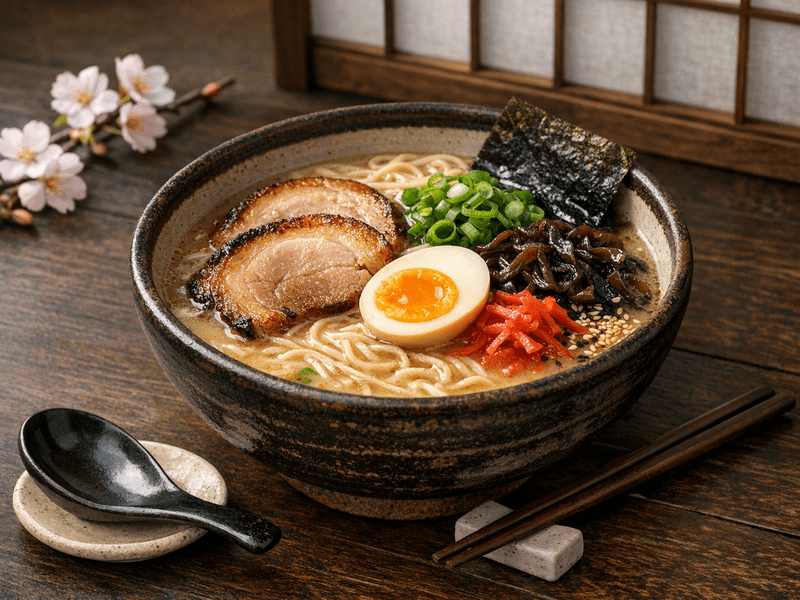
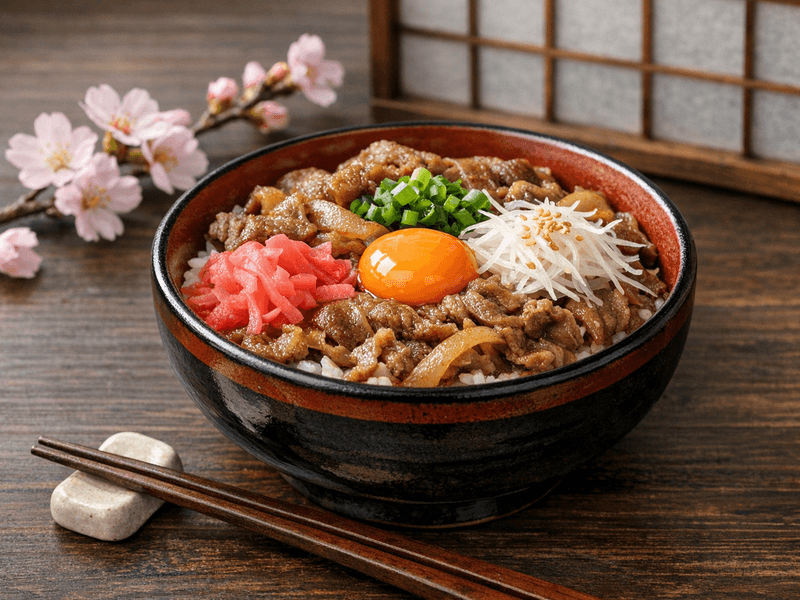
📸 Image coming soon for Yakiniku Tan (Beef Tongue)
焼肉タン
夕食・居酒屋 • 日本
について Yakiniku Tan (Beef Tongue)
Thinly sliced beef tongue with salt and lemon — always ordered first
How to Make Yakiniku Tan (Beef Tongue) – Traditional & Healthy Version
Yakiniku Tan (焼肉タン), or grilled beef tongue, is a beloved dish in the world of Japanese yakiniku. Originating from post-war Sendai, this delicacy has become a staple in yakiniku restaurants across Japan, celebrated for its unique texture and rich umami flavor. The dish involves thinly sliced gyūtan (beef tongue) marinated in a simple yet flavorful mixture, then quickly seared over a hot grill. The result is tender meat with a smoky aroma and savory depth, making it a favorite among both locals and visitors. Yakiniku Tan is often enjoyed as part of a communal grilling experience, where diners cook their own meat at the table, fostering a sense of connection and celebration. The simplicity of the marinade allows the natural flavor of the tongue to shine, while thoughtful presentation with lemon wedges and fresh scallions adds a touch of seasonality and elegance. This dish is not only delicious but also provides a unique way to appreciate Japanese culinary craftsmanship and the importance of umami in Japanese cuisine.
材料(About 100g grilled beef tongue with accompaniments per person分)
- 200g Gyūtan (beef tongue) (Thinly sliced; ask your butcher for Yakiniku cut)
- 1 tbsp Sake (Japanese rice wine)
- 1 tbsp Shoyu (soy sauce) (Low sodium preferred for health)
- 1 tsp Sesame oil (Adds aroma)
- 1 clove Garlic (Finely grated)
- 2 tbsp Negi (Japanese green onion) (Finely chopped, for garnish)
- 1/2 Lemon (Cut into wedges)
- to taste Freshly ground black pepper
- to taste Sea salt (Preferably flaky)
- 1/4 tsp Shichimi togarashi (Japanese seven spice, optional for heat) - オプション
作り方
- 1
Prepare the beef tongue by slicing it into thin rounds if not already pre-sliced. Pat dry with paper towels to remove excess moisture.
5 minutes
For the best texture, slice beef tongue while slightly frozen.
- 2
In a bowl, combine sake, shoyu, sesame oil, and grated garlic. Add the beef tongue slices and gently toss to coat. Marinate for 10 minutes.
10 minutes
Do not over-marinate; a brief soak preserves the beef tongue’s natural flavor.
- 3
Preheat a grill or grill pan over high heat. Ensure the surface is very hot before grilling.
5 minutes
Using a charcoal grill imparts authentic smoky aroma.
- 4
Grill the marinated beef tongue slices for about 30–45 seconds per side until lightly charred and just cooked through.
5 minutes
Avoid overcooking to keep the gyūtan tender.
この料理が健康的な理由
This healthy Yakiniku Tan recipe is grilled rather than deep-fried, significantly reducing calorie and fat content. Using thin slices shortens cooking time, preserving nutrients and keeping the tongue tender. The simple marinade relies on umami-rich Japanese seasonings, minimizing the need for excess salt or oil. Paired with fresh lemon and seasonal vegetables, it’s a wholesome, satisfying dinner that fits well into a balanced diet.
Yakiniku Tan is rich in high-quality protein, making it ideal for muscle maintenance and repair. Beef tongue is a great source of B vitamins, particularly B12, which supports energy metabolism. It also contains zinc and iron, essential for immune function and red blood cell production. By using a low-sodium soy sauce and limiting oil, this recipe keeps saturated fat and sodium intake in check while maximizing flavor. Serving with fresh vegetables adds fiber, vitamins, and minerals, making this a nutrient-balanced meal.
プロのヒント
- 💡Tip 1: Slightly freeze the beef tongue for easier, thinner slicing.
- 💡Tip 2: Marinate briefly to let the natural umami of gyūtan shine.
- 💡Tip 3: Use a very hot grill to achieve caramelization without drying out the meat.
保存と提供
Store any uncooked, marinated beef tongue in an airtight container in the refrigerator for up to 1 day. Cooked gyūtan should be consumed immediately for best texture, but can be refrigerated for up to 2 days and gently reheated on a grill or skillet.
最適な提供方法: Lunch or Dinner
栄養成分
| 栄養素 | 100gあたり |
|---|---|
| エネルギー | 250.0 kcal |
| タンパク質 | 18.0 g |
| 炭水化物 | 1.0 g |
| 総脂質 | 20.0 g |
| 食物繊維 | 0.0 g |