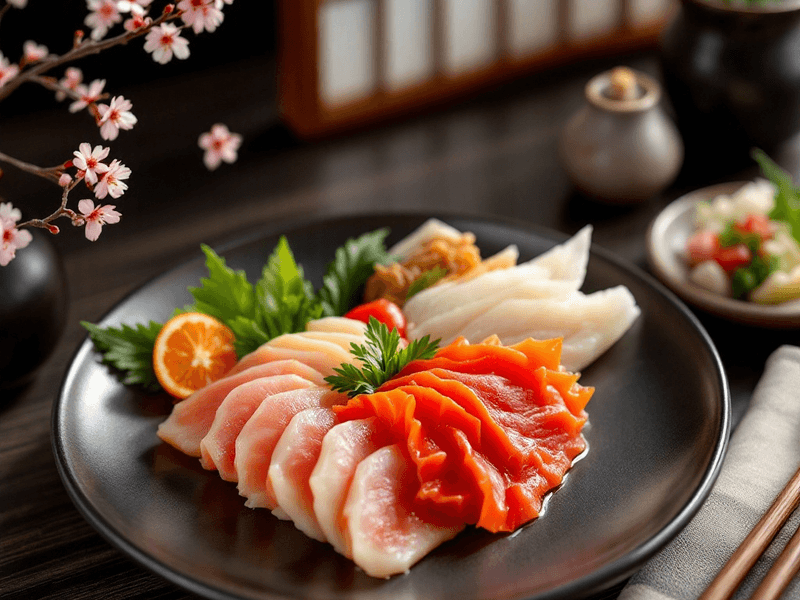
刺身盛り合わせ
夕食・居酒屋 • 日本
について Sashimi Moriawase
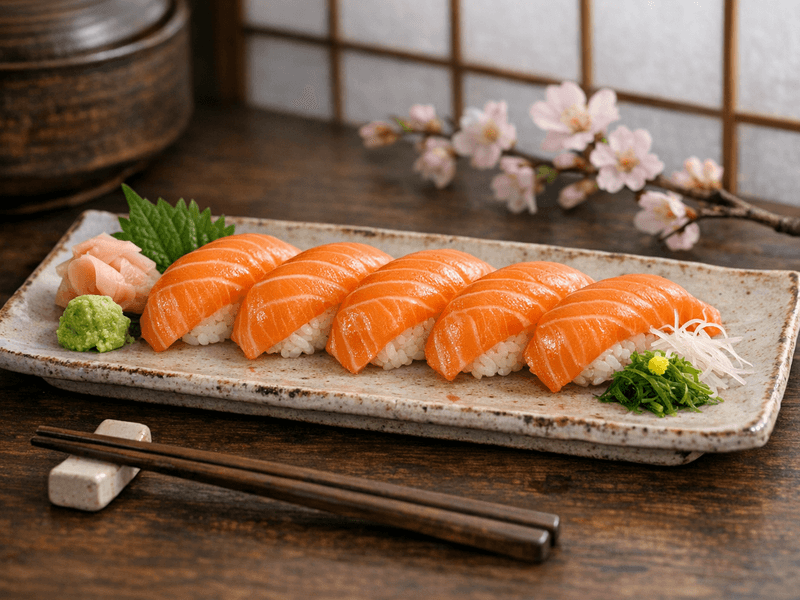
Assorted sashimi platter — tuna, salmon, yellowtail, squid
How to Make Sashimi Moriawase (Traditional & Healthy Version)
Sashimi Moriawase is a vibrant and artfully arranged platter of assorted raw fish and seafood, celebrating the essence of Japanese culinary refinement. Originating in the Edo period, this dish highlights the importance of seasonality (shun) and freshness (shin-sen) in Japanese cuisine. Each slice of fish is meticulously cut to enhance its natural umami and texture, making every bite a harmonious experience. The presentation is as important as the taste, often accompanied by daikon (radish), shiso leaves, and edible flowers, reflecting Japan’s deep appreciation for visual aesthetics in food. Enjoying Sashimi Moriawase is not just a meal but a cultural ritual that honors the ocean’s bounty. Served commonly at celebratory dinners and gatherings, this dish embodies omotenashi—Japanese hospitality—by offering an array of flavors, colors, and textures on a single plate. Its clean taste, minimal seasoning, and reliance on the freshest seasonal ingredients make it a sophisticated and healthy choice for those seeking authentic Japanese cuisine. Sashimi Moriawase is perfect for dinner, as it is light yet satisfying, allowing the pure flavors of the sea to shine.
材料(A traditional plate of assorted sashimi for one person分)
- 80g Maguro (tuna, sashimi-grade) (鮪)
- 80g Sake (salmon, sashimi-grade) (鮭)
- 60g Tai (sea bream, sashimi-grade) (鯛)
- 2 pieces Hotate (scallop, sashimi-grade) (帆立貝)
- 2 pieces Amaebi (sweet shrimp, sashimi-grade) (甘海老)
- 1/4 piece Daikon (white radish) (for tsuma garnish)
- 4 leaves Shiso leaves (紫蘇)
- 1 tsp Wasabi (freshly grated) (山葵)
- 2 tbsp Soy sauce (shoyu) (醤油)
- as needed Edible flowers (seasonal, for garnish) - オプション
作り方
- 1
Chill all seafood and utensils in the refrigerator for at least 30 minutes before preparation to maintain freshness.
5 minutes
Use a dedicated sashimi knife (yanagiba) for clean cuts.
- 2
Rinse and peel daikon, then julienne it finely to create tsuma (thin garnish strips). Soak in ice water for extra crispness.
5 minutes
Use a mandoline for uniform slices.
- 3
Arrange shiso leaves and daikon tsuma on a chilled plate as the base for the sashimi.
2 minutes
Create small mounds for an elegant look.
- 4
Slice each type of sashimi-grade fish against the grain into 7-8mm thick pieces, ensuring even shapes for presentation.
7 minutes
Wipe the knife after each cut for a clean finish.
この料理が健康的な理由
This dish is an excellent healthy choice due to its focus on fresh, unprocessed seafood and minimal use of high-calorie or fatty additives. With no added sugars or oils, Sashimi Moriawase is naturally low in calories and carbs, supporting weight management and balanced nutrition. The rich omega-3s help reduce inflammation and promote cardiovascular well-being. Its clean, simple preparation lets the quality ingredients shine and optimizes their nutritional value.
Sashimi Moriawase is naturally high in lean protein and healthy omega-3 fatty acids, especially from fish like salmon and tuna. It provides essential vitamins such as B12 and D, as well as minerals like selenium, iodine, and magnesium. The addition of shiso leaves and daikon offers fiber and antioxidants. This dish is low in carbohydrates and contains minimal saturated fat, making it suitable for low-calorie and low-carb diets. Since it is served raw, the nutrient content remains intact, supporting heart and brain health.
プロのヒント
- 💡Tip 1: Always use sashimi-grade seafood from a trusted source to ensure safety and flavor.
- 💡Tip 2: Chill plates and utensils before serving to keep the sashimi at the ideal temperature.
- 💡Tip 3: Slice fish just before serving to maintain texture and prevent oxidation.
保存と提供
Sashimi should be consumed immediately after preparation for optimal freshness and safety. If necessary, store in an airtight container on ice in the refrigerator for up to 2 hours. Do not refreeze thawed sashimi-grade fish.
最適な提供方法: Dinner
栄養成分
| 栄養素 | 100gあたり |
|---|---|
| エネルギー | 110.0 kcal |
| タンパク質 | 22.0 g |
| 炭水化物 | 0.0 g |
| 総脂質 | 2.0 g |
| 食物繊維 | 0.0 g |