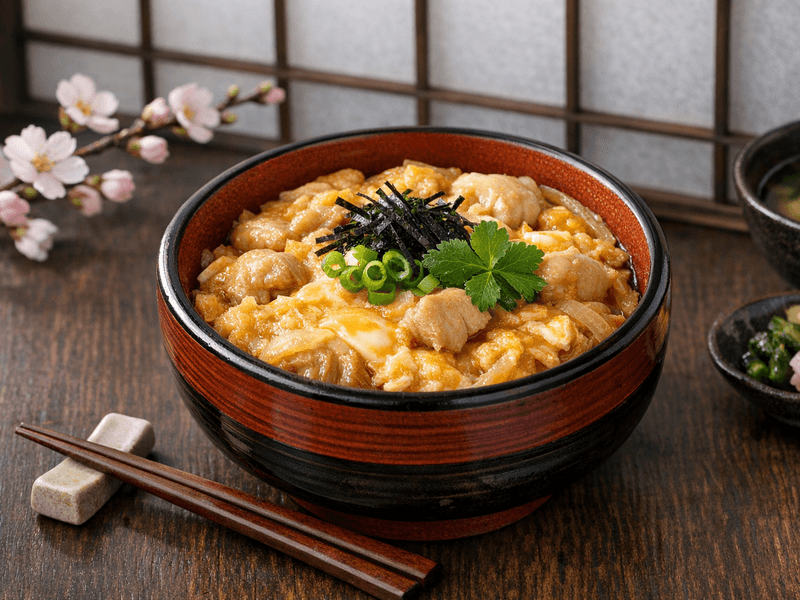
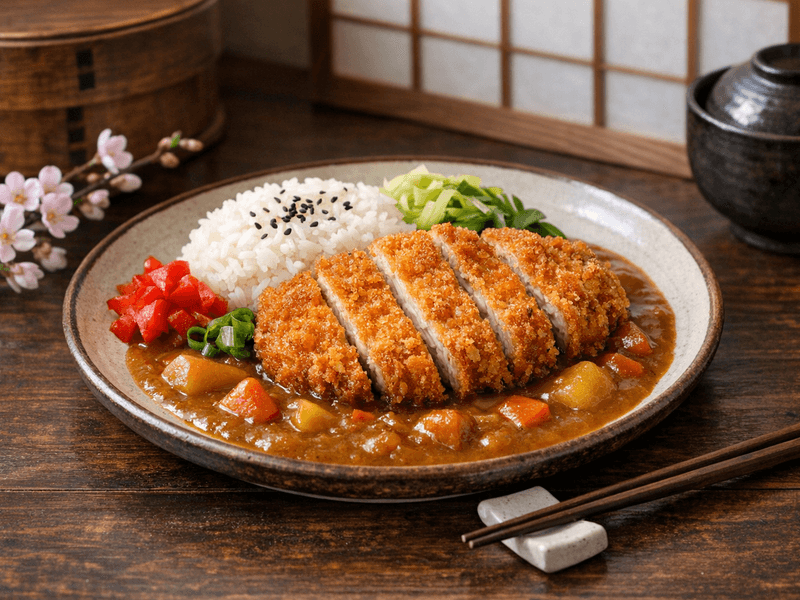
📸 Image coming soon for Monjayaki
もんじゃ焼き
夕食・居酒屋 • 日本
について Monjayaki
Tokyo-style runny savory pancake cooked on a griddle
How to Make Monjayaki (Traditional & Healthy Version)
Monjayaki is a beloved Japanese savory pancake hailing from the vibrant streets of Tokyo. Often enjoyed in casual izakaya or monjayaki specialty restaurants, this dish brings friends and family together around a hot teppan grill. Unlike its cousin Okonomiyaki, Monjayaki features a softer, somewhat gooey texture that is scooped up directly from the grill with small spatulas. The base batter is made from flour, dashi, and a variety of seasonal ingredients, resulting in an umami-rich flavor that captures the essence of Japanese comfort food. Monjayaki is an interactive dining experience, where diners cook the ingredients together, often customizing the fillings to their taste. The combination of cabbage, seafood, pork, and aromatic vegetables provides a balance of textures and flavors. Utilizing seasonal vegetables and lean proteins makes it a satisfying yet health-conscious choice for dinner. The dish is not only flavorful and enjoyable but also reflects the Japanese appreciation for communal dining and harmony of flavors.
材料(1 medium pan-sized portion分)
- 1/2 cup All-purpose flour (komugiko)
- 1 cup Dashi stock (Japanese soup base)
- 1 cup Cabbage (finely shredded)
- 1/4 cup Carrot (julienned)
- 2 stalks Green onion (finely chopped)
- 1/4 cup Squid (ika, cleaned and chopped)
- 1/4 cup Shrimp (ebi, peeled and chopped)
- 1/4 cup Thinly sliced pork belly (buta bara)
- 1 tablespoon Pickled red ginger (beni shoga, chopped) - オプション
- 1 tablespoon Soy sauce (shoyu, low sodium preferred)
- 1 teaspoon Aonori seaweed (for garnish) - オプション
作り方
- 1
Prepare all ingredients: finely shred the cabbage, julienne the carrot, chop the green onion, squid, and shrimp. Slice the pork belly thinly.
5 minutes
Use fresh, seasonal vegetables for best flavor and nutrition.
- 2
In a mixing bowl, combine the flour and dashi stock to form a thin batter. Stir until smooth and lump-free.
3 minutes
Whisk gradually to prevent flour clumps.
- 3
Add the prepared cabbage, carrot, green onion, squid, shrimp, pork, and pickled red ginger to the batter. Mix gently to combine.
2 minutes
Do not overmix; just fold until evenly distributed.
- 4
Preheat a non-stick skillet or teppan grill over medium heat. Lightly oil the surface. Spoon the solid ingredients (not the batter) onto the grill and stir-fry for 2-3 minutes until slightly caramelized.
5 minutes
Spread ingredients evenly for even cooking.
この料理が健康的な理由
This Monjayaki recipe is a healthy choice because it is loaded with fresh, seasonal vegetables and lean proteins, making it low in calories yet satisfying. The use of dashi instead of heavy sauces keeps sodium and fat in check. By grilling instead of deep frying, the dish maintains a light profile. Whole ingredients maximize the intake of vitamins, minerals, and fiber, supporting overall wellness and digestive health.
Monjayaki is rich in vitamins and minerals from its generous use of cabbage, carrot, and green onion. The inclusion of seafood like squid and shrimp provides lean protein and essential omega-3 fatty acids, while pork belly adds flavor and satiety in moderation. Using dashi as the base offers umami without excess calories, and the dish is naturally low in saturated fat if prepared with minimal oil. The vegetables supply fiber, vitamin C, and antioxidants, making Monjayaki a nutrient-dense meal option.
プロのヒント
- 💡Prepare all ingredients before heating the grill to ensure even cooking.
- 💡Use a wide spatula to spread the batter thinly for crispier edges.
- 💡Try adding seasonal mushrooms or shiso leaves for added umami and aroma.
保存と提供
Monjayaki is best enjoyed fresh and hot. Leftovers can be stored in an airtight container in the refrigerator for up to 1 day. Reheat gently on a skillet to restore texture, but note the gooey consistency may change.
最適な提供方法: Dinner
栄養成分
| 栄養素 | 100gあたり |
|---|---|
| エネルギー | 130.0 kcal |
| タンパク質 | 5.0 g |
| 炭水化物 | 18.0 g |
| 総脂質 | 4.0 g |
| 食物繊維 | 1.0 g |