もち(大福)
デザート・和菓子 • 日本
について Mochi (Daifuku)
Soft rice cake filled with sweet red bean paste
How to Make Mochi (Daifuku) (Traditional & Healthy Version)
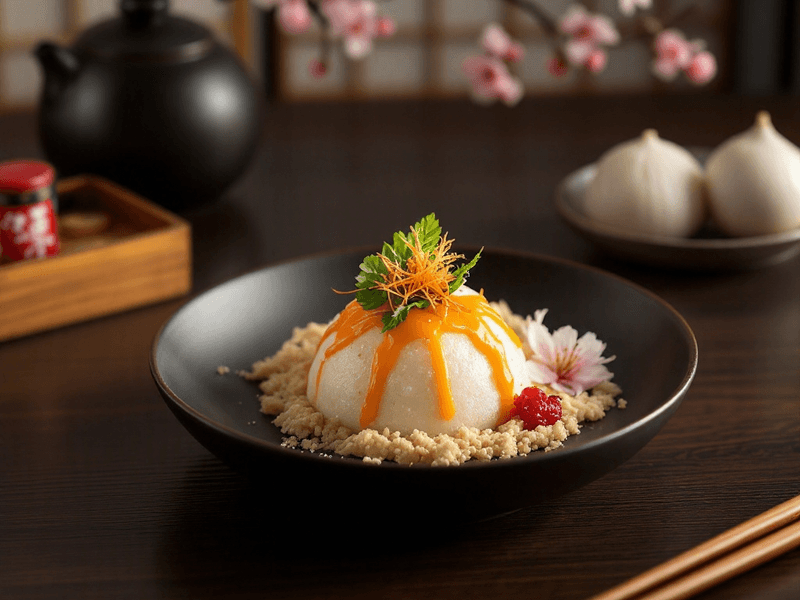
Mochi (Daifuku) is a beloved traditional Japanese wagashi (sweet) that encapsulates the delicate artistry of Japanese dessert culture. Originating from centuries-old customs, Daifuku features a pillowy, glutinous rice cake (mochi) filled with a sweet red bean paste called anko. The chewy texture of mochi combined with the umami-rich, subtly sweet anko creates a harmonious balance that's both satisfying and memorable. In Japan, Daifuku is not only enjoyed during tea ceremonies but also as an everyday treat, especially in spring when seasonal ingredients like sakura (cherry blossoms) are celebrated. Its soft, smooth exterior and petite, elegant presentation make it a popular choice for gifts and celebrations. This vegan-friendly version is crafted with mindful ingredients, ensuring a lighter dessert that honors tradition while supporting a health-conscious lifestyle. Enjoy Mochi (Daifuku) as a guilt-free indulgence that connects you to the heart of Japanese culinary heritage.
材料(2 Daifuku pieces (about 50g each)分)
- 3/4 cup Shiratamako (glutinous rice flour) (白玉粉, essential for authentic mochi texture)
- 1/2 cup Water (filtered)
- 2 tbsp Organic cane sugar (for a subtle sweetness)
- 4 tbsp Anko (sweet red bean paste) (こしあん, smooth style, homemade or store-bought)
- 1/4 cup Katakuriko (potato starch) (片栗粉, for dusting)
- a pinch Salt (to enhance umami)
- 1 tsp Yomogi (Japanese mugwort) (dried, optional for seasonal flavor) - オプション
- 1/2 tsp Matcha (green tea powder) (for dusting or color, optional) - オプション
作り方
- 1
Prepare the anko filling by rolling 4 equal balls (about 1 tbsp each) and set aside. Chill briefly to firm up.
5 minutes
Cold anko is easier to wrap and prevents melting the mochi.
- 2
In a microwave-safe bowl, combine shiratamako, sugar, and salt. Gradually add water, stirring until smooth and lump-free. Add yomogi or matcha if desired for seasonal flavor.
3 minutes
Stir thoroughly to ensure the mochi dough is silky and even.
- 3
Cover the bowl loosely and microwave on high for 1 minute. Stir, then repeat in 30-second increments until the dough becomes translucent and elastic (about 2-3 minutes total).
5 minutes
Microwave times may vary; stop when dough is sticky and glossy.
- 4
Generously dust a clean surface with katakuriko. Transfer the hot mochi dough and dust your hands to prevent sticking.
2 minutes
Work quickly while the dough is warm and pliable.
この料理が健康的な理由
Mochi (Daifuku) stands out as a health-conscious dessert due to its simple, whole-food ingredients and vegan profile. The use of glutinous rice flour and red beans ensures a satiating treat with a modest glycemic load. Minimal added sugar and the absence of processed fats make it suitable for weight management and heart health. Enjoying Daifuku allows you to indulge your sweet tooth while honoring your wellness goals.
This healthy Mochi (Daifuku) recipe is plant-based and uses minimal sugar, making it a lighter alternative to many traditional desserts. Shiratamako provides complex carbohydrates for sustained energy, while anko offers dietary fiber, plant protein, and essential minerals such as iron and magnesium. The inclusion of yomogi or matcha adds antioxidants and subtle earthy notes. Each serving is naturally gluten-free, cholesterol-free, and low in saturated fat, supporting a balanced diet.
プロのヒント
- 💡Tip 1: Use freshly made anko for the best flavor and texture.
- 💡Tip 2: Work quickly with mochi dough while it's warm to ensure pliability.
- 💡Tip 3: Adjust sweetness by tasting the anko before assembling.
保存と提供
Store Daifuku in an airtight container at room temperature for up to 1 day. For longer storage, wrap individually and refrigerate for up to 2 days. Allow to come to room temperature before serving to restore softness. Avoid freezing as it alters the texture.
最適な提供方法: Lunch
栄養成分
| 栄養素 | 100gあたり |
|---|---|
| エネルギー | 240.0 kcal |
| タンパク質 | 4.0 g |
| 炭水化物 | 50.0 g |
| 総脂質 | 1.0 g |
| 食物繊維 | 2.0 g |