りゅうきゅう(大分)
すべて • 日本
について Ryukyu (Oita)
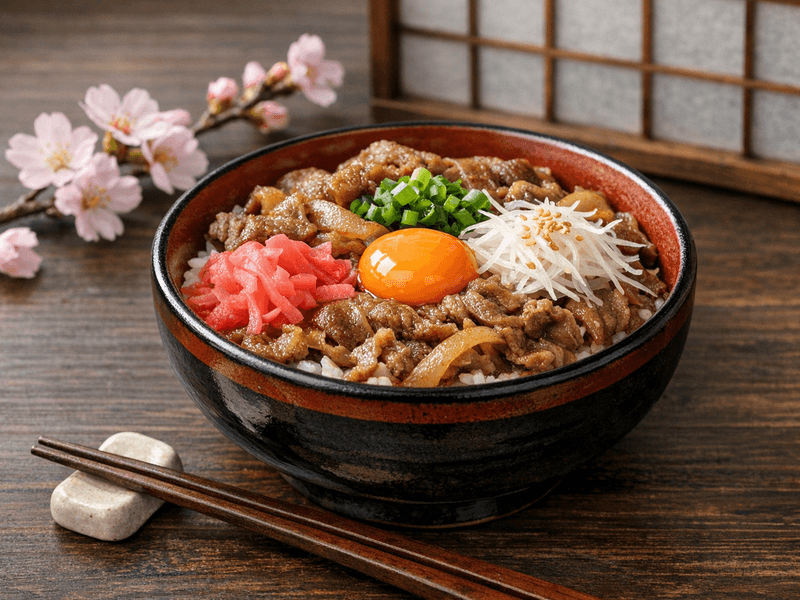
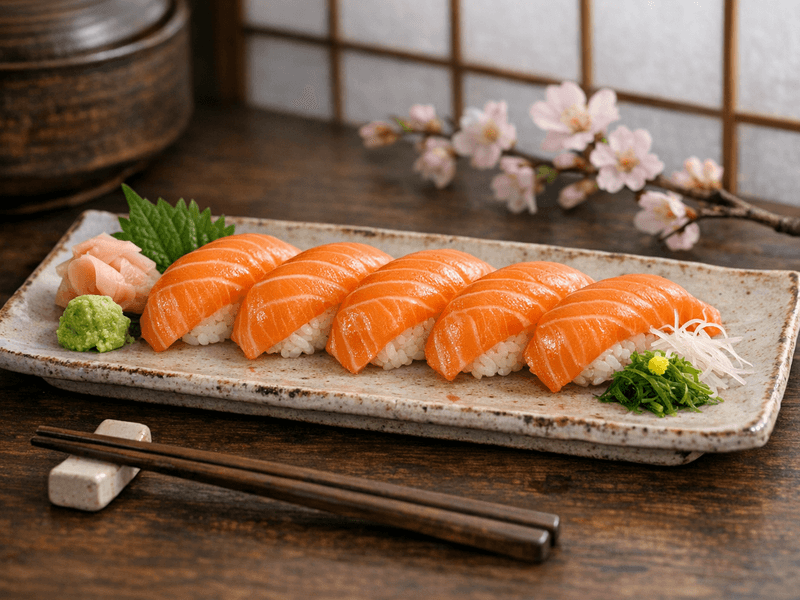
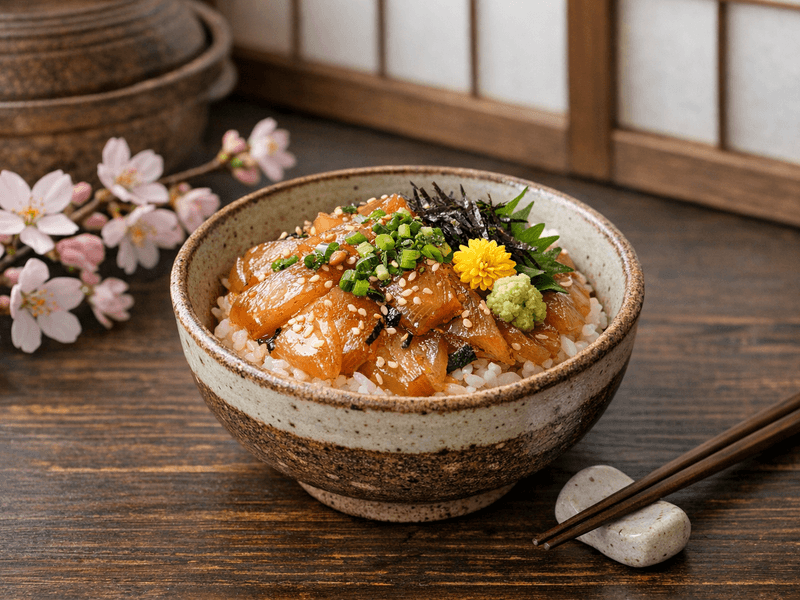
Oita soy-marinated raw fish over rice
How to Make Ryukyu (Oita) – Traditional & Healthy Version
Ryukyu (りゅうきゅう) is a celebrated appetizer from Oita Prefecture in Japan, renowned for its fresh sashimi marinated in fragrant soy-based sauce. This dish epitomizes the Japanese appreciation for seasonal ingredients and the delicate balance of umami flavors. Traditionally served as a starter or alongside rice, Ryukyu is rooted in the culinary history of Kyushu, where fishermen would marinate their catch to preserve freshness and enhance taste. Today, Ryukyu continues to be a popular choice in izakaya and family dining, offering a light yet satisfying option that highlights the quality of local fish. The marinade, featuring shoyu (soy sauce), mirin, and sesame, elevates the natural sweetness of the sashimi, making it a harmonious blend of savory and subtle flavors. This healthy Ryukyu recipe uses lean fish such as maguro (tuna) or buri (yellowtail), ensuring high protein and low fat content. Its simplicity allows the freshness of the fish to shine, while the use of seasonal garnishes like shiso and negi (green onion) adds visual appeal and additional nutrients. Ryukyu is also ideal for calorie-conscious eaters, with each serving providing only 145 calories, making it perfect for those tracking their intake without compromising on authentic taste. With its elegant presentation and nutritional benefits, Ryukyu is a wonderful introduction to Japanese cuisine and a testament to the region's culinary heritage.
材料(1 small appetizer plate (60g fish, 1 tbsp marinade, garnishes)分)
- 120g Maguro (tuna) or Buri (yellowtail) sashimi (Fresh, sashimi-grade)
- 2 tbsp Shoyu (soy sauce) (Japanese soy sauce)
- 1 tbsp Mirin (Sweet rice wine)
- 1 tbsp Sake (Japanese rice wine)
- 1 tsp Goma (sesame seeds) (Roasted)
- 1 tbsp Negi (green onion) (Finely sliced)
- 2 leaves Shiso leaf (Japanese perilla, for garnish)
- 1/2 tsp Wasabi (Fresh grated, optional) - オプション
- 1 tsp Yuzu juice (Seasonal citrus, optional) - オプション
- 20g Daikon (radish) (Julienned, for garnish) - オプション
作り方
- 1
Prepare the sashimi by slicing maguro or buri into thin bite-sized pieces.
5 minutes
Use a sharp yanagiba knife for clean cuts and best texture.
- 2
In a small bowl, mix shoyu, mirin, sake, and yuzu juice to create the marinade.
3 minutes
Adjust yuzu juice for brightness based on seasonality.
- 3
Add the sashimi slices to the marinade and gently toss to coat each piece.
2 minutes
Marinate for at least 10 minutes to allow flavors to infuse.
- 4
Roast goma (sesame seeds) lightly in a dry pan until aromatic, then sprinkle over marinated fish.
3 minutes
Roasting intensifies sesame's nutty aroma and umami.
この料理が健康的な理由
This dish is a healthy choice due to its low-calorie, high-protein profile and use of fresh, seasonal Japanese ingredients. The absence of frying and reliance on raw fish preserves essential nutrients, making Ryukyu suitable for those seeking a nutritious appetizer. Its simple preparation ensures minimal added fat, while the inclusion of vegetables and citrus boosts its vitamin and mineral content.
Ryukyu is high in lean protein, with each serving offering 18g of protein and only 145 calories. Buri and maguro are rich in omega-3 fatty acids, supporting heart and brain health. The marinade delivers antioxidants from shoyu and mirin, while shiso and negi supply vitamin C and fiber. Sesame seeds offer healthy fats and minerals like calcium and magnesium. With minimal carbohydrates and saturated fat, Ryukyu is ideal for balanced nutrition and weight management.
プロのヒント
- 💡Tip 1: Use sashimi-grade fish for safety and best flavor.
- 💡Tip 2: Garnish with fresh shiso and daikon for seasonal color and crunch.
- 💡Tip 3: Toast sesame seeds just before use for enhanced aroma.
保存と提供
Store Ryukyu covered in the refrigerator and consume within 2 hours for optimal freshness. Avoid freezing as it affects sashimi texture. Leftovers should not be kept overnight.
最適な提供方法: Breakfast or Lunch
栄養成分
| 栄養素 | 100gあたり |
|---|---|
| エネルギー | 145.0 kcal |
| タンパク質 | 18.0 g |
| 炭水化物 | 4.0 g |
| 総脂質 | 6.0 g |
| 食物繊維 | 0.0 g |